Captions are provided by our contributors.
DETALLES DEL ARCHIVO (IMAGEN)
Fecha: 06 April 2026
Nombre del archivo: art002e009283
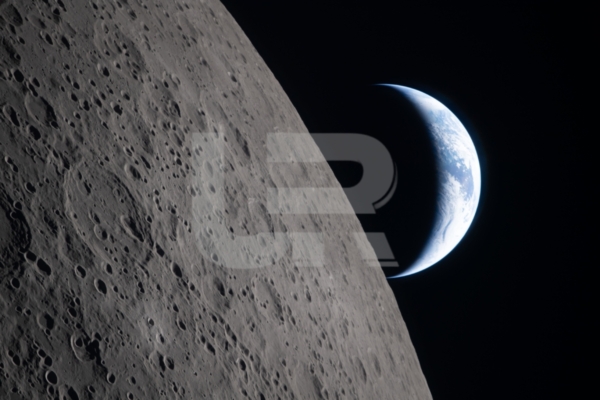
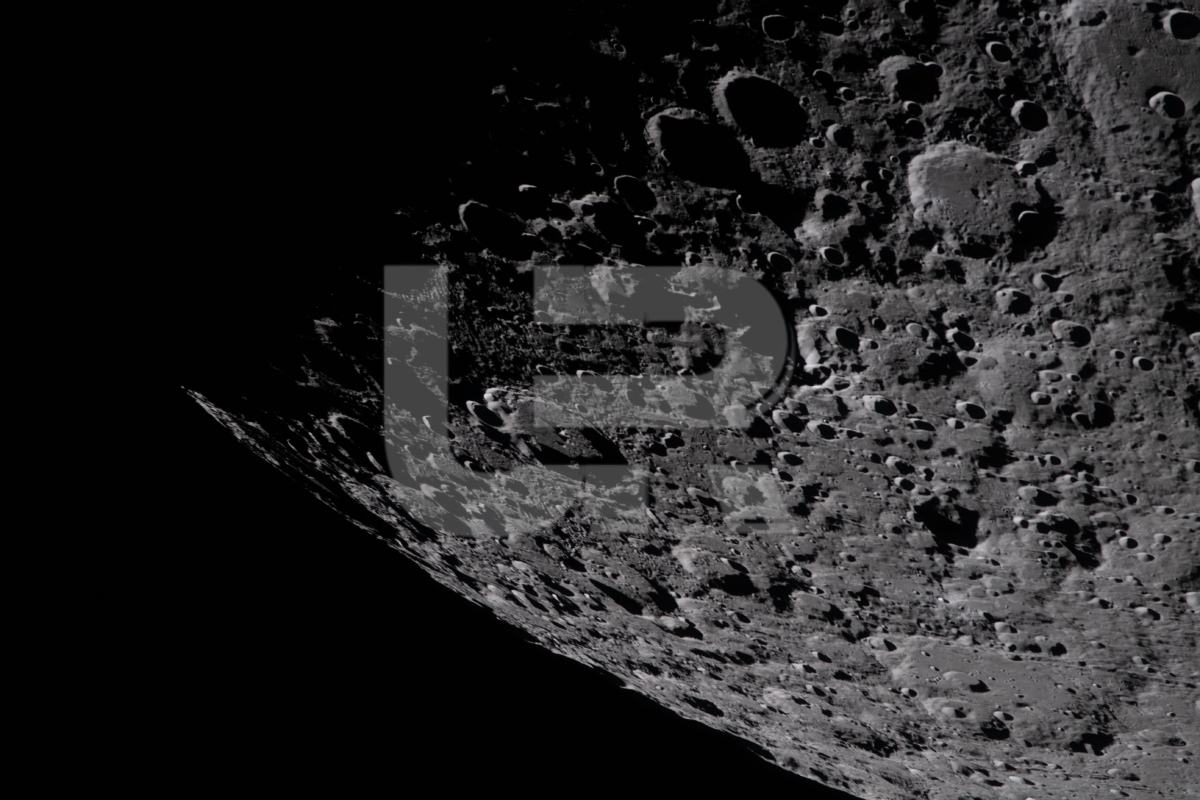
Descripción: art002e009285 (April 6, 2026) – Our planet draws closer to passing behind the Moon in this image captured by the Artemis II crew during their lunar flyby, about six minutes before Earthset. Earth is in a crescent phase, with sunlight coming from the right. The dark portion of Earth is experiencing nighttime. On Earth’s day side, swirling clouds are visible over muted blue in the Australia and Oceania region. The lines of small indentations on the Moon’s rugged surface are secondary crater chains. These structures are formed by material ejected during a violent primary impact. Photo: NASA/UNAR AGENCY
Publicado por: UNAR PHOTO
Galería: NASA-Imagenes de la luna
Título: art002e009283
Headline: No data
Crédito:
Derechos de autor:
Resolución: 5568 x 3712 px
Nombre del archivo: art002e009283
Descripción: art002e009285 (April 6, 2026) – Our planet draws closer to passing behind the Moon in this image captured by the Artemis II crew during their lunar flyby, about six minutes before Earthset. Earth is in a crescent phase, with sunlight coming from the right. The dark portion of Earth is experiencing nighttime. On Earth’s day side, swirling clouds are visible over muted blue in the Australia and Oceania region. The lines of small indentations on the Moon’s rugged surface are secondary crater chains. These structures are formed by material ejected during a violent primary impact. Photo: NASA/UNAR AGENCY
Publicado por: UNAR PHOTO
Galería: NASA-Imagenes de la luna
Título: art002e009283
Headline: No data
Crédito:
Derechos de autor:
Resolución: 5568 x 3712 px
Keywords: No data
Buscar fotos en esta galería
VER MAS FOTOS DE LA GALERÍA
NASA-Imagenes de la luna
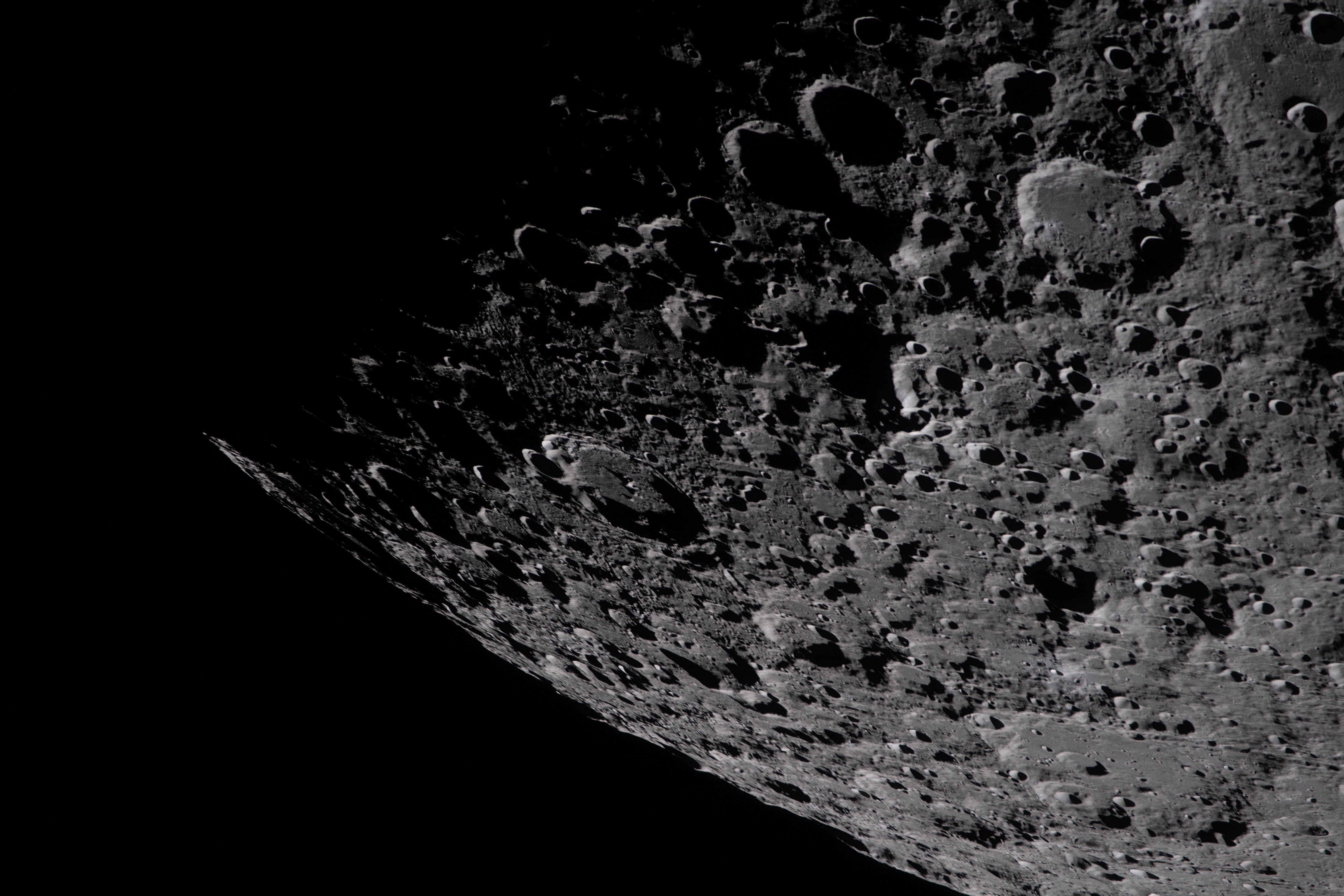
art002e009285 (April 6, 2026) – Our planet draws closer to passing behind the Moon in this image captured by the Artemis II crew during their lunar flyby, about six minutes before Earthset. Earth is in a crescent phase, with sunlight coming from the right. The dark portion of Earth is experiencing nighttime. On Earth’s day side, swirling clouds are visible over muted blue in the Australia and Oceania region.
The lines of small indentations on the Moon’s rugged surface are secondary crater chains. These structures are formed by material ejected during a violent primary impact. Photo: NASA/UNAR AGENCY